








 Log in


Taking Your Training from the Pool to the Ocean
![]() Moving your training from the pool to the ocean comes with a whole new set of challenges. Currents. Chop. No lane ropes. No black line to follow.
Moving your training from the pool to the ocean comes with a whole new set of challenges. Currents. Chop. No lane ropes. No black line to follow.
But the ocean also offers something the pool can’t — freedom, variety, and a true test of your swimming ability.
With a few simple adjustments, you can build confidence and transition your training smoothly from pool laps to open water sessions.
Expect Movement in the Water
Unlike the pool, the ocean is always moving. Even on calm days there will be small swells, currents, and surface chop that affect your rhythm.
Instead of fighting the water, focus on adapting your stroke:
-
Keep your stroke slightly shorter and quicker
-
Maintain a strong, steady kick for balance
-
Stay relaxed through the shoulders
A slightly higher stroke rate can help you stay stable when the water becomes unpredictable.
Learn to Sight
In the pool you follow the black line. In the ocean, you need to navigate yourself.
“Sighting” means briefly lifting your eyes forward to check your direction while swimming.
Tips for effective sighting:
-
Lift your eyes just enough to spot a landmark
-
Combine sighting with your normal breathing stroke
-
Pick large, visible markers like buildings, headlands, or flags
Practice every 6–10 strokes to stay on course without breaking your rhythm.

Adjust Your Breathing
Waves and chop can make breathing on one side tricky. Learning to breathe on both sides (bilateral breathing) can make a huge difference in open water.
Benefits include:
-
Easier breathing depending on wave direction
-
Better stroke balance
-
Improved awareness of swimmers around you
If you normally breathe to one side in the pool, start incorporating bilateral breathing into your training sets.
 Get Comfortable with the Conditions
Ocean swimming can feel intimidating at first because you don’t have walls or lane ropes nearby.
Start small:
-
Swim parallel to the beach
-
Train with a partner or group
-
Choose calm days to begin with
The more time you spend in the ocean, the more natural it will feel.
Choose the Right Gear
Open water sessions can be longer and more demanding than pool swims, so comfort and performance matter.
Look for swimwear designed for movement and support in the surf or open water. Secure fits, durable fabrics, and supportive construction help you stay focused on your swim rather than adjusting your gear.
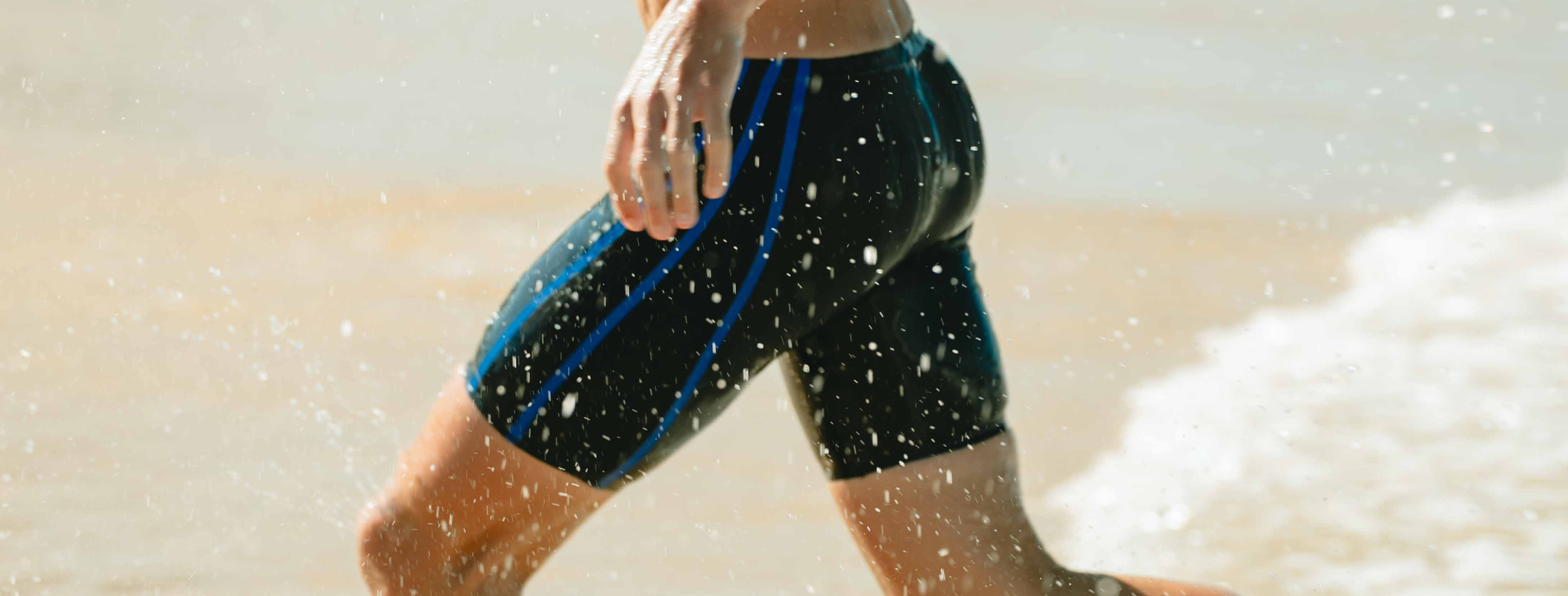
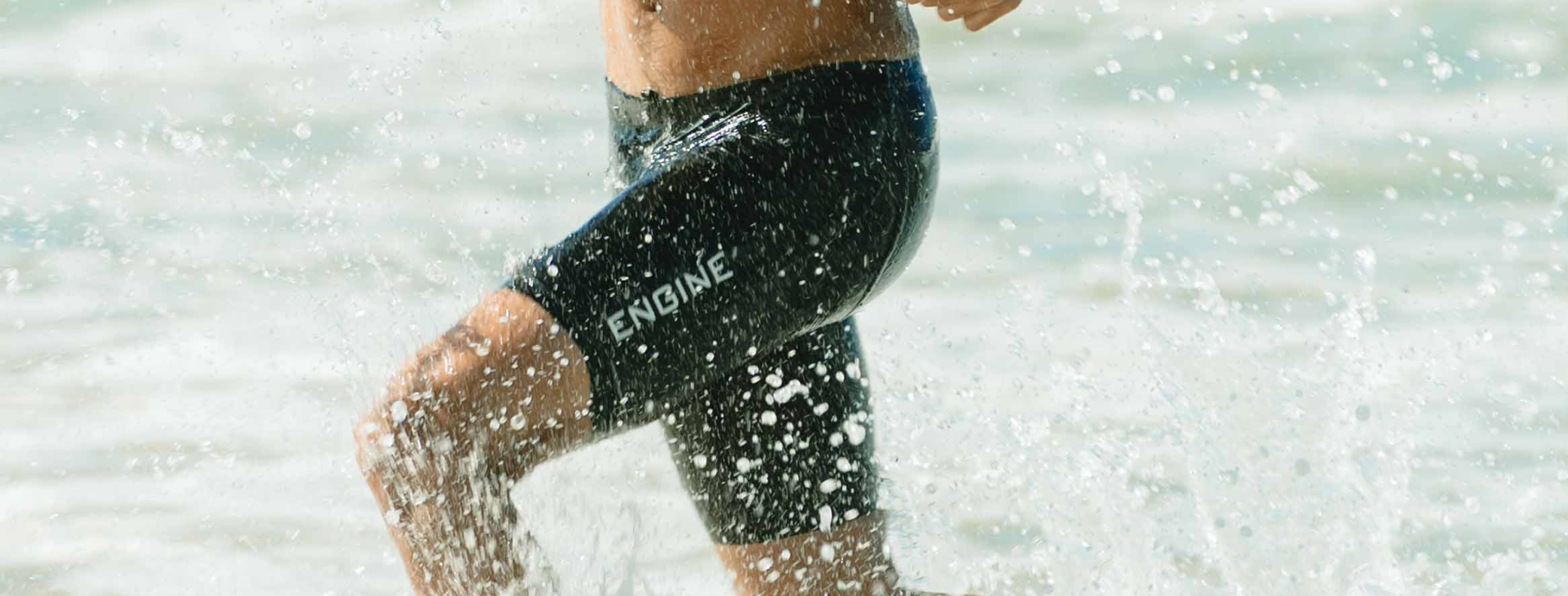
For swimmers moving from the pool into the ocean, performance swimwear like the Shredskin Jammer or Shredskin Racer 1pc is designed to handle both environments. Built from hydrophobic performance fabric with compressive construction, the Shredskin helps reduce drag while supporting the body through powerful strokes in surf conditions.
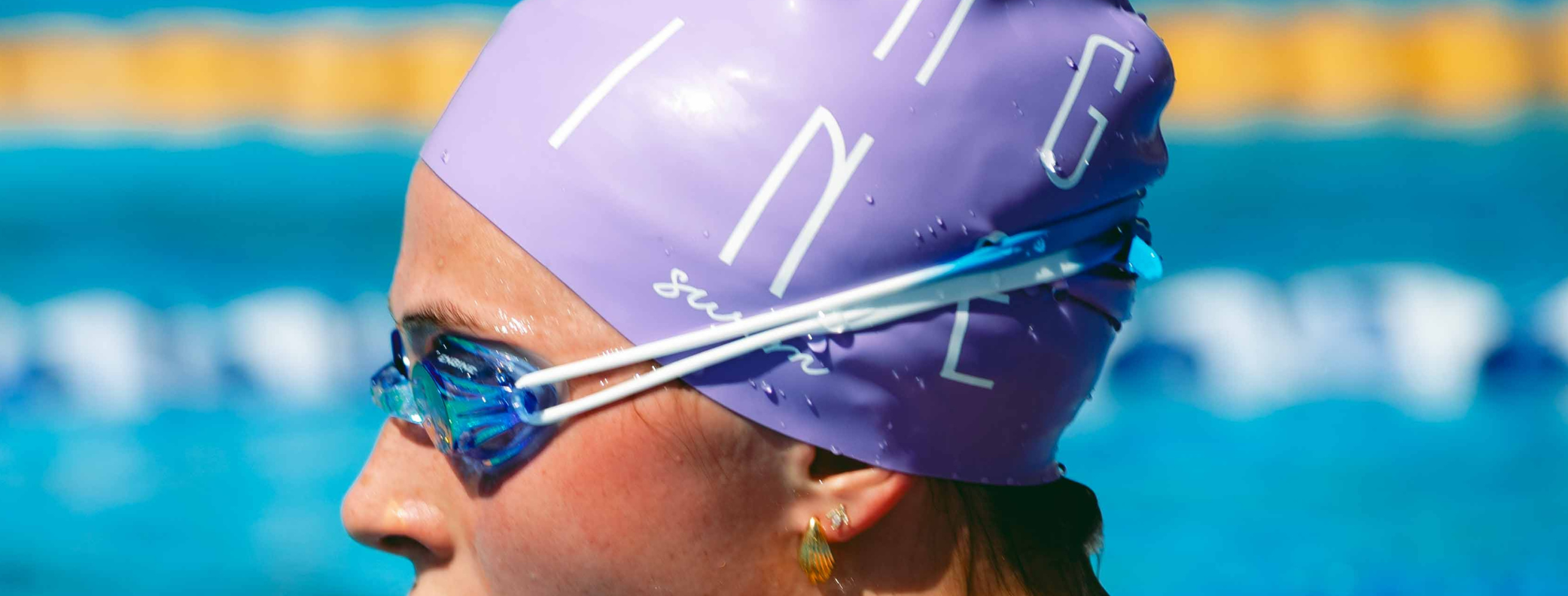
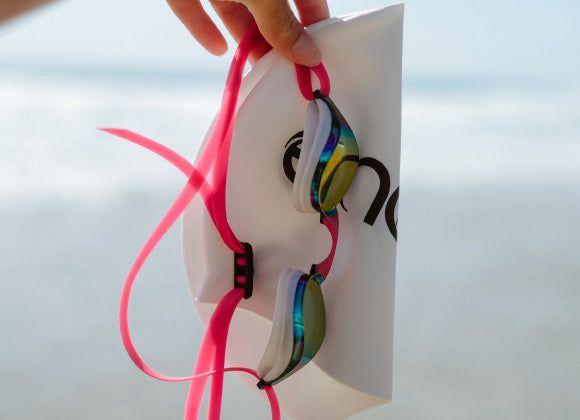
Clear vision is just as important in open water. Goggles like the Weapon or Navigator are designed to provide a secure seal and reliable visibility, helping you sight landmarks and stay on course even in chop or glare.
With the right gear, you can spend less time adjusting equipment and more time focusing on your stroke, rhythm, and the conditions around you.
Build Confidence One Session at a Time
The ocean might feel unpredictable at first, but it quickly becomes one of the most rewarding environments to train in.
You’ll develop stronger awareness, better adaptability, and greater confidence as a swimmer.
Start with shorter swims, build gradually, and embrace the change of environment.
Before long, the ocean won’t feel intimidating — it’ll feel like home. 🌊


